A Giant Industry With a Small Voice
The global fragrance market is enormous.
Billions of dollars, thousands of launches, endless campaigns.
Yet for many people who love scent, there is a strange disconnect: the bigger the industry becomes, the less personal many perfumes feel. You can walk through airports on three continents and smell the same few bestsellers drifting through the air, like a soundtrack on repeat.
Something in luxury fragrance has been getting louder and louder—while saying less and less.
In the quiet space beneath that noise, a different movement has been growing.
The Beige Era of Perfume
For decades, the dominant model was simple: spend most of the budget on marketing and distribution, and make the liquid inside the bottle as safe as possible.
Safe meant:
- Tested by focus groups until no one strongly objected.
- Built around familiar structures and sweet comfort notes.
- Designed to work on millions of people without surprising too many of them.
The result is an olfactory landscape that can feel oddly beige. Everything is pleasant. Very little is distinctive.
When a perfume is engineered to sell ten million bottles, it often has to sand down the edges that make a scent truly memorable. The story becomes the logo, not the liquid.
What Today’s Luxury Customer Actually Wants
Modern luxury buyers are not short on options. What they are short on is authenticity.
In other categories, this shift is already obvious:
- Coffee drinkers seeking out specific regions and roasters.
- Wine lovers learning about vineyard, soil, and producer.
- Fashion customers choosing craftsmanship over fast‑trend cycles.
Fragrance is following the same path. People want to know:
- Where does this scent come from?
- Who created it, and why?
- Does it feel like something I found—or something that was pushed at me?
The answer, more and more often, lives in niche perfume.
The "Gap": Provenance and Place
Even inside the “niche” category, not everything feels truly personal. Some brands borrow the aesthetics of independence while operating at near‑industrial scale.They are tired of "clones"—scents that feel focus-group engineered rather than artistically composed.
The gap that remains is provenance—a clear, honest sense of where a perfume’s soul comes from.
In fragrance, provenance simply means that a scent has a real, traceable origin—not just a pretty name. It shows up in things like:
- Where ideas are rooted: a real landscape, culture, or memory, not a generic fantasy city.
- A sense of place on skin: you can feel the climate and mood, not just a list of notes.
- An identifiable voice: you know which house you’re smelling, even without seeing the bottle.
- Continuity: each launch feels like part of a thoughtful conversation, not a disconnected stunt.
This is where the new renaissance of scent is emerging: in houses that treat perfume less like a seasonal product and more like a slowly evolving body of work.
The Rise of Quiet Luxury in Fragrance
In fashion and design, “quiet luxury” has become shorthand for pieces that are impeccably made, discreetly branded, and designed to be worn for years rather than months.
The same idea is reshaping perfume.
Quiet luxury in scent looks like:
- Fewer launches, each with longer lifespans.
- Compositions that aim for clarity and structure, not sugar and spectacle.
- Bottles that feel like objects you keep, not just packaging you throw away.
- A focus on how a fragrance lives at arm’s length and in close conversation, not just how it photographs in an ad.
For House of Muskoka, quiet luxury means a fragrance that enters a room with you—not before you—and lingers like a remembered conversation after you’ve left.
A Northern Answer to a Global Question
Most of the reference points in luxury fragrance are familiar: Paris, New York, Dubai, the Mediterranean coast. Beautiful, yes—but often repeated.
House of Muskoka offers a different compass point.
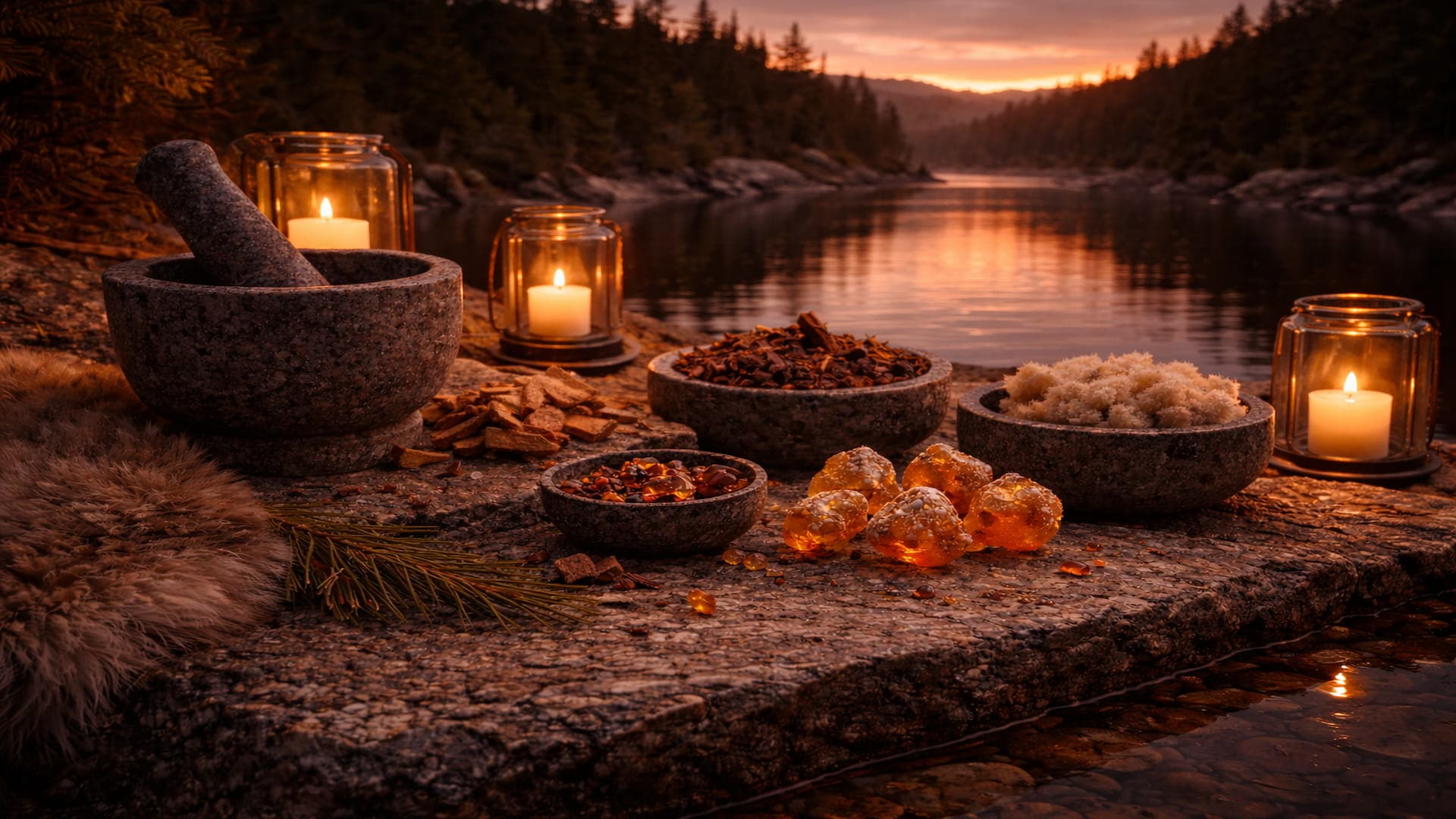
Instead of marble and boulevard lights, our reference is:
- Granite warmed slowly by the sun.
- Cedar forests after rain.
- Mist sitting on a still lake at dawn.
- Ember smoke dissolving into cold night air.
Muskoka is not an invented fantasy; it is a real, wild place that shapes how we think, breathe, and build perfume. Our scents are not about escaping reality—they are about bringing a specific reality closer to your skin.
In a global market, that kind of grounded, regional identity is becoming its own form of luxury.
From Logos to Olfactory Identity
We are living through the end of the logo‑driven “signature scent” era and the beginning of something softer, but deeper: olfactory identity.
Instead of asking, “Which brand should I wear?” more people are asking:
- “What smells like me?”
- “What feels like my home, or my inner landscape?”
- “Which scent can walk quietly beside me through real life, not just a fantasy evening?”
Niche perfumery—and especially houses with a strong sense of place—are answering those questions.
For House of Muskoka, that identity is built on three recurring ideas:
- Nature We don't just use "scents"; we bottle landscapes.
- Memory We don't sell "products"; we curate moments worth keeping.
- Mastery We reject the fast-fashion model of perfumery in favour of slow maceration and precision blending.
You don’t need to know those pillars by name to feel them. You simply notice that the fragrances are calm, precise, and quietly Northern, even when the mood shifts from morning mist to emberlit night.
The Future: Fewer Bottles, Deeper Bonds
If the last few decades were about volume, the next will be about selectiveness.
We will see:
- People owning fewer perfumes, but living more fully with the ones they keep.
- A move away from constant novelty toward continuity—returning to the same scent across seasons and years.
- More conversation about how perfume is made, not just who endorses it.
- Regional, terroir‑informed houses sitting alongside the global icons.
In that future, the most valued fragrances will not necessarily be the loudest or the most famous. They will be the ones that mean something to the person wearing them.It is in the quiet discovery of a scent that feels like it was made for you.
A Quiet Renaissance
The renaissance of scent is not happening on the biggest billboards.
It is unfolding in smaller studios, independent labs, and landscapes far from the usual capitals of luxury.
It lives in:
- A bottle that smells like a specific shoreline instead of a generic “fresh” accord.
- A composition that takes its time instead of rushing to please.
- A house that chooses to speak softly and consistently rather than shout in a different voice every season.
House of Muskoka was created for this moment—for people who want their perfume to feel like a chapter of their own story, not a tagline.
Luxury is becoming quieter, more intimate, and more rooted in real places.
Scent is following.
And for those who are ready to step away from the beige, this is very good news.